What Is Construction Technology? A Complete Guide
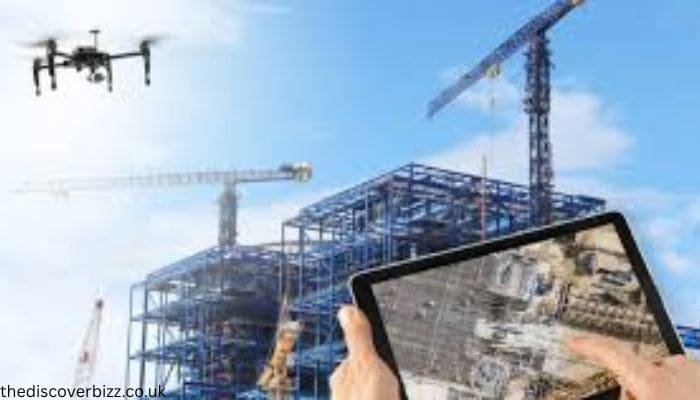
What is construction technology? Construction technology encompasses advanced tools and innovative solutions aimed at improving workplace efficiency, safety, and sustainability in the construction industry. Rather than replacing skilled workers, these technologies are designed to streamline challenging and hazardous tasks. The modern construction toolbox includes various tools, hardware, and software that facilitate planning, design, construction, and project management.
Additionally, construction technology has simplified pre-construction processes through tools that enhance bid management, document organization, and collaboration among teams. Notably impactful advancements include mobile project management apps, smart tools, digital schematics, autonomous machinery, and 3D printing technology, which allows for the creation of high-quality, cost-effective building materials.
Construction Technology’s Significance
The document discusses the role of technology in the construction industry, focusing on three primary areas: efficiency and productivity, environmental sustainability, and health and safety.
Increasing Efficiency & Productivity: Advanced technologies, such as drones and smart machinery, enhance construction processes by increasing speed and productivity. These technologies enable tasks to be completed with greater consistency and quality compared to traditional methods reliant on manual labor.
Helping the Environment: The use of innovative technologies allows for the creation of construction materials that minimize pollution and waste. Al Manaratain emphasizes sustainability by utilizing cutting-edge methods to manufacture durable materials, such as lightweight blocks made with LECA technology, which feature low density and high thermal capacity.
Advantages of Construction Technology
- Enhanced Safety:
– Use of construction safety data to improve practices.
– Drones for inspecting dangerous areas, protecting workers.
– Wearable technology like carbon monoxide detectors and motion sensors for monitoring safety.
– Robotic layout automates injury-prone tasks, reducing risks.
- Increased Efficiency:
– Simplifies processes and compresses construction schedules.
– 3D printing for efficient building component creation.
– Robotic layout printers provide accurate digital models on-site, reducing rework.
- Improved Quality:
– Augmented reality (AR) for overlaying instructions, enhancing task accuracy.
- Compliance Adherence:
– Document management and real-time notifications facilitate easy compliance with regulations.
- Better Collaboration:
– Cloud-based mobile project management software allows for real-time updates and communication.
Usual Challenges Construction Organizations Face
- Businesses seek continual improvement in operations despite steady productivity.
- Fleet managers aim to enhance production, operator performance, control costs, and maintain safety.
- Telematics can advance business goals by leveraging machine data.
- Increasing production through technology boosts revenue and enhances reputation.
- Operator performance can be improved by investing in skilled operators and utilizing technology to reduce fatigue and identify training needs.
- Cost control focuses on minimizing waste in materials, time, and money, aided by construction technology.
Components of Construction Technology
- Building Information Modeling (BIM): Enables architects and engineers to create detailed digital representations of buildings, enhancing collaboration by ensuring all project participants have access to the same information.
- Advanced Construction Equipment: The use of modern machinery, such as automated cranes, drones, and robotic bricklayers, boosts productivity and reduces human labor, with drones facilitating site surveys and inspections.
- Construction Management Software: Digital tools improve budget, schedule, and resource management, allowing project managers to monitor progress in real-time and make quick, informed decisions.
- Prefabrication and Modular Construction: Many buildings are partially or fully constructed off-site, leading to reduced construction time, minimized waste, and improved quality control.
- Sustainable Technologies: Increasing focus on eco-friendly practices, including renewable materials, energy-efficient designs, and techniques for waste reduction, is becoming integral to construction technology.
Future of Construction Technology
The future of construction technology is poised for significant advancements, driven by innovations such as artificial intelligence (AI), machine learning, and 3D printing. 3D printing technology enables the creation of entire buildings through automated systems, substantially cutting down on construction time and costs. Additionally, AI facilitates risk prediction and provides solutions prior to the occurrence of potential issues.
Conclusion
Construction technology refers to the integration of advanced tools, machinery, and digital solutions into construction processes, aimed at enhancing efficiency, safety, and quality. Key components include Building Information Modeling (BIM), automation, and sustainable building practices, all of which are transforming infrastructure development globally. Despite certain challenges, the advantages of adopting construction technology significantly surpass the limitations, allowing companies that implement these innovations to thrive in a highly competitive and evolving market.
Share this content:














Post Comment