How can new Technologies be used to create Art?
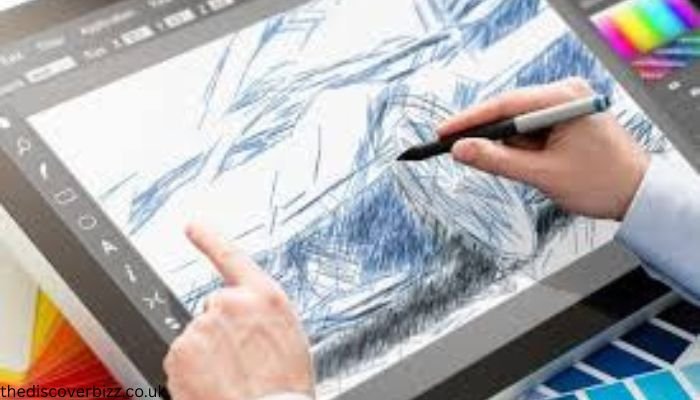
Art history reveals a continual quest by artists for innovative forms and unconventional media to express their principles. The early 20th century saw the rise of avant-garde movements that challenged traditional art perceptions, leading to the birth of mixed media art. Artists began using everyday materials like books, cloths, and household items, asserting that true artistry could emerge from any source.
Technology has further transformed the art landscape, facilitating broader access to innovative artists and their work. The evolution of tools, such as silk-screen printing and cameras, played critical roles in the output of influential artists like Andy Warhol. Today, many contemporary artists transcend the role of technology as a mere assistant, employing it as a medium itself to create immersive, multi-disciplinary installations that redefine the artistic experience.
What effects has digital technology had on the art world?
- Digitization has positively impacted the art industry, contrary to earlier assumptions of threat.
- Technology enhances operational efficiency in art institutions and auction houses.
- Digital resources enable faster movement of art pieces and increased visibility.
- Accessibility to art has improved by reducing geographical constraints; digital art is cheaper and widely available.
- New audiences are being introduced to art, particularly young people who relate art to pop culture and current events, shifting art’s perception from a status symbol to an investment opportunity.
Digital technologies have fundamentally transformed the creation and dissemination of art. Techniques such as 3D imaging, virtual reality (VR), artificial intelligence, and computer graphics allow contemporary artists to reinterpret various art forms, thereby expanding the boundaries of artistic expression. Moreover, technological advancements have democratized access to art; once limited to established auction houses, art pieces are now widely available through social media platforms and apps like Pinterest.
A Brief Overview of Digital Art History
People have been merging visual art and technology since the 1960s, with significant collaborations beginning in 1967. A notable project involved New York artists like John Cage and Robert Rauschenberg, who teamed up with engineers from Bell Laboratories to create innovative performances that integrated technology, paving the way for digital art’s evolution. Andy Warhol, recognized for his influence in art, was also an early adopter of digital media.
In 1985, he created digital drawings on an Amiga computer to promote Commodore International, though these works remained largely forgotten until their recovery in 2014 by Cory Arcangel and Carnegie Mellon University students. The Warhol Museum later showcased these digital artworks from July 2017 to November 2019, highlighting Warhol’s contributions to digital art through the original Amiga technology.
Artificial Intelligence in Art Creation
Artificial intelligence (AI) has emerged as a pivotal innovation in the realm of modern creativity, capable of generating images, composing music, writing poetry, and aiding in video editing. These AI systems function by analyzing patterns and learning from existing datasets to produce novel content. Rather than supplanting human creativity, many artists have embraced AI as a collaborative tool that inspires new artistic expressions, facilitating a redefined dialogue on integrating technology in art creation.
For instance, artists utilize AI image generators by inputting text prompts, yielding diverse visual interpretations almost instantaneously. Musicians harness AI software for melody creation and sound enhancement, while writers experiment with narrative concepts through intelligent applications.
The Connection Between Art and Technology
Art and technology, though distinct, have historically influenced one another, with each artistic revolution spurred by technological innovations. For instance, photography changed painting, film reshaped storytelling, and computers gave rise to digital design. Currently, it is crucial to recognize that technology enhances artistic creativity rather than negating it.
Artists continue to rely on imagination, emotion, and originality, while technology offers modern tools that enhance the efficiency and creativity of their work. Furthermore, digital platforms have democratized art creation; individuals no longer require costly studios, as laptops, smartphones, and tablets enable them to experiment with creative ideas and reach a global audience.
The Future of Artistic Innovation
The future of art is poised to become increasingly intertwined with technology, as innovations like augmented reality, blockchain digital ownership, and interactive installations transform the creative landscape. As technological advancements continue, artists are discovering novel storytelling and expressive methods, particularly as younger creators, raised in the digital era, are eager to experiment with imaginative tools.
Conclusion
Advancements in technology are significantly transforming the art world, altering perceptions of art and increasing access for enthusiasts and collectors. Artists now leverage platforms enabled by technology and social media to build collections and share their work. The integration of AI, virtual reality (VR), augmented reality (AR), digital designs, and 3D printing disrupts traditional art creation and consumption methods, fostering new forms of expression through interactive digital art. This technological evolution not only enhances visibility and exposure for artists but also facilitates connections within the artistic community via numerous online platforms. Read More
Share this content:












Post Comment