Which of the following internet Technologies Provides the Fastest Speeds?
In today’s digital landscape, the demand for high-speed internet is growing rapidly. The world’s fastest internet connections are advancing technology and offering transformative experiences across various sectors, including education, healthcare, and entertainment. This progression promises to enhance the ways we live and work, emphasizing the importance of seamless connectivity.
How Do You Measure Internet Speed?
- Internet speed is measured in Mbps (Megabits per second) or Gbps (Gigabits per second).
- Key components of internet speed tests include:
– Download Speed: Time taken to retrieve data from a server; impacts streaming and large file downloads.
– Upload Speed: Time taken to send data to a server; important for video calls and cloud work.
– Latency (Ping): Delay between user action and internet response; crucial for online gaming and real-time applications.
Technologies Generating the Fastest Internet Connection in the World
- Fiber Optic Networks: Transmit data as light signals through glass fibers; essential for gigabit and terabit speeds.
- LiFi Technology: Uses light waves for data transfer; OLEDcomm’s solutions enable secure, high-speed internet in interference-sensitive environments like classrooms and workplaces.
- Satellite Internet: Provides high-speed internet in remote areas; offers accessibility, though currently slower than fiber or LiFi.
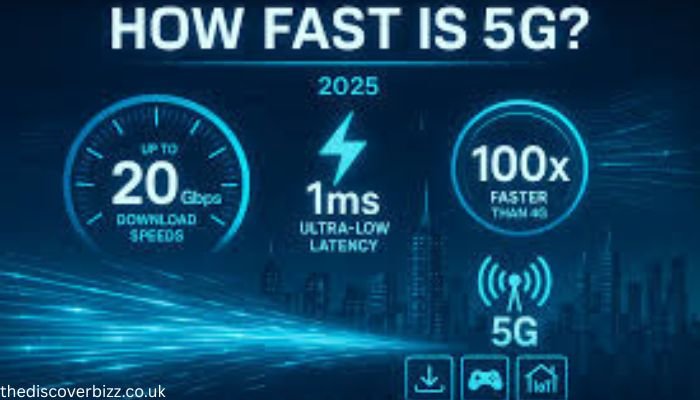
- 5G Networks: Enable mobile internet speeds up to 10 Gbps; potential synergy with LiFi could enhance global internet speed and coverage.
DSL Internet
DSL Internet is categorized in the lower left quadrant due to its slower speeds and performance. It is widely available and affordable, utilizing existing telephone lines, which provide access even in rural areas. However, as an older technology, DSL’s capability to meet modern demands is limited, leading to slower speeds and lower overall quality. It is best suited for individuals or small families with limited Internet needs who prefer a budget-friendly option.
Fiber Internet
Fiber internet is recognized as the most advanced type of internet connection, utilizing fiber-optic cables that transmit data through light pulses rather than electricity. This technology enables exceptionally high speeds, often exceeding 1 Gbps, with symmetrical upload and download capabilities. The benefits for users include eliminating buffering during streaming, facilitating smooth video calls, and ensuring seamless gaming experiences, even with multiple users online. Additionally, fiber-optic connections are notably reliable, largely unaffected by weather conditions or electrical interference.
Why Fiber Is the Most Outstanding Technology on the Market?
- Speed: Fiber optic internet provides the fastest speeds, suitable for high-bandwidth activities such as streaming, gaming, and video conferencing with symmetrical upload and download speeds.
- Reliability: Fiber optics exhibits less susceptibility to interference and environmental factors, ensuring a stable connection and minimizing downtime, even during peak usage.
- Capacity: Fiber networks can accommodate significantly more data than DSL or satellite technologies, allowing multiple users to connect simultaneously without speed drops.
- Future Proofing: Fiber optic networks can be easily upgraded to support higher speeds and increased bandwidth as technology evolves and data consumption grows, without major infrastructure changes.
Is fiber internet faster?
High-speed internet connections vary in speed, with fiber being touted as not only faster but also more reliable due to fewer outages and less electrical interference. CenturyLink Fiber service offers symmetrical download/upload speeds of up to 940 Megabits per second (Mbps through a wired connection to the router.
Fiber Internet’s Advantages
- Ultra-fast speed: Fiber technology allows for much faster data transmission compared to cable, with Ziply Fiber offering home speeds up to 50 gigs, preparing for future internet demands.
- Symmetrical upload and download speeds: Fiber provides equal download and upload speeds, minimizing lag and buffering, which is beneficial for data-heavy tasks and video conferencing.
- Higher bandwidth: Fiber’s capability to manage large data volumes simultaneously makes it ideal for households or businesses with multiple devices, enabling activities like 4K streaming and large file downloads without performance drops. Read More
Share this content:














Post Comment