What Is Industrial Technology? A Complete Guide to Modern Industrial Systems
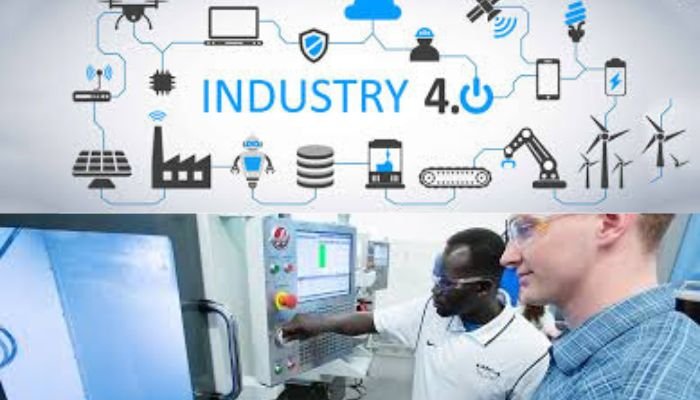
Change involves multiple challenges, including technological, financial, and human aspects. Decision-makers in established companies often struggle to identify sustainable technological solutions for their factories, especially when differing opinions arise within larger organizations. Internal negotiations at various levels are necessary before adopting innovations. Moreover, successful implementation requires individuals willing to explore new methodologies, learn, and adjust daily work processes.
The History of Industrial Technology
- The concept of industrial technology originated during the Industrial Revolution in the 18th century, marking the transition from manual labor to mechanical machines powered by steam engines.
- Industries evolved through several key stages:
– Mechanization Era: Introduction of machines to enhance production speed.
– Electrical Revolution: Adoption of electricity for improved manufacturing processes.
– Automation Age: Implementation of computers and automated systems for machine control.
Why Industrial Technology Is Important?
Industrial technology plays a crucial role in modern industries, influencing various operational aspects. It significantly enhances productivity, as advanced machines can perform tasks much faster than manual labor, thus increasing production capacity and overall efficiency. Additionally, technology improves product quality by enabling manufacturers to maintain consistent standards and minimize human errors through automated systems. Cost reduction is another benefit, as industrial systems lower production expenses by reducing waste, enhancing energy efficiency, and minimizing downtime.
Industrial Technology Education’s Significance
- Addressing Industry Needs: Industrial technology education adapts to evolving industries by providing specialized training that meets current market demands and prepares individuals for new job roles.
- Practical Skill Development: The education system focuses on hands-on learning, allowing students to operate machinery, understand complex systems, and troubleshoot technical issues, equipping them with real-world experience.
- Promoting Innovation: It fosters a culture of creativity and critical thinking, empowering students to devise innovative solutions to industry challenges and contribute to technological progress.
Types of industrial technology
- Automation: Systems operating independently from human operators, ranging from single-task machines to fully automated factories, enhancing efficiency through predictable processes and inventory management.
- Data and Analytics: Essential for improving manufacturing efficiency; involves collecting and analyzing data from production stages, shipping, and customer feedback. A background in computer science is advantageous for this field.
- Numerical Control: The control of processes like 3D printing and laser cutting via digital files, requiring expertise in software and physical processes for proper material handling.
- Cyber-Physical Systems: Integrated systems in factories or warehouses utilizing networking to monitor and autonomously reorganize or restock materials, featuring technologies like geofencing and augmented reality for operational clarity.
Applications of Industrial Technology
- Industrial technology is applied across various sectors globally, enhancing real-world applications.
- Manufacturing Industry: Utilizes industrial technology for producing automobiles, electronics, machinery, and household appliances, with a focus on automation and robotics.
- Construction Industry: Employs advanced machinery, drones, and digital systems to enhance building projects and site management.
- Food Processing Industry: Relies on technology for packaging, quality testing, temperature control, and automated production lines.
- Healthcare Industry: Depends on precision technology and automated systems for medical equipment manufacturing.
Advantages of Industrial Technology - Increased Effectiveness: Machines operate continuously, leading to higher productivity with fewer disruptions.
- Regular Production: Automated methods ensure consistent quality standards for goods.
- Development and Innovation: Industrial technology fosters creativity and the creation of innovative products.
- Worldwide Competitiveness: Companies can compete more effectively in global markets by utilizing modern technologies.
Conclusion
Understanding industrial technology is crucial in today’s dynamic industrial environment, as it encompasses the use of machines, automation, engineering, and technical systems aimed at enhancing production and efficiency. This technology plays a vital role in various sectors, from manufacturing to healthcare, by boosting productivity, minimizing costs, improving safety, and fostering innovation. As technological advancements continue, industrial systems are expected to grow increasingly intelligent and efficient. Companies that adopt industrial technology will stand a better chance of competing and adapting to future challenges. Read More
Share this content:













Post Comment