How New Technology Is Transforming the Modern Workplace in 2026

Technology is no longer just a support system for businesses; it has become the foundation of how modern workplaces operate.
From artificial intelligence and cloud computing to remote collaboration tools and automation, digital innovation has completely changed how employees communicate, work, and solve problems. Businesses today are faster, more connected, and more data-driven than ever before.
At the same time, these advancements have created new challenges. Employees must continuously learn new digital skills, companies must protect sensitive data from cyber threats, and organizations must balance productivity with employee well-being.
Understanding how technology affects the workplace is essential for businesses that want to remain competitive in the modern economy.
In this article, we will explore how new technology has transformed the modern workplace, including its advantages, challenges, future trends, and the growing importance of digital skills.
The New Technology in the Workplace
Technology has become a major driving force behind business growth and workplace transformation. Modern organizations now rely heavily on digital systems to improve communication, productivity, collaboration, and decision-making.
In earlier times, workplaces depended mostly on manual labor and basic tools. However, technological progress gradually changed industries around the world. The Industrial Revolution introduced machines that increased production efficiency, while later innovations such as electricity, telephones, and computers completely reshaped how businesses operated.
Today, businesses use advanced technologies like:
- Artificial Intelligence (AI)
- Cloud Computing
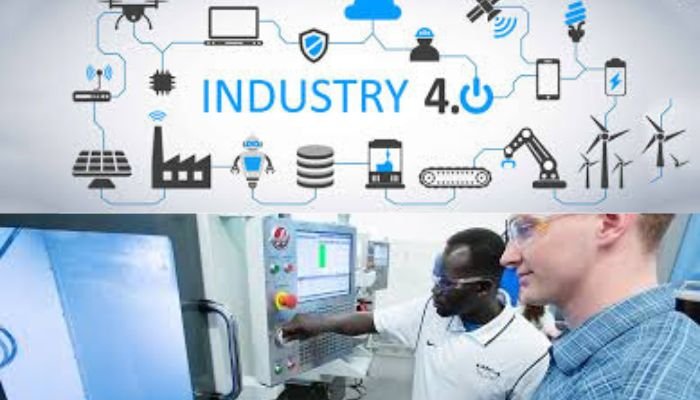
- Automation Software
- Video Conferencing Tools
- Data Analytics
- Cybersecurity Systems
- Remote Collaboration Platforms
These technologies have helped organizations become more efficient, flexible, and globally connected.
A Brief History of Workplace Technology
The relationship between technology and work has evolved for centuries.
Early Workplace Technology
In ancient and agricultural societies, people used simple tools such as:
- Plows
- Watermills
- Handcrafted equipment
These inventions improved productivity but still required significant human labor.
The Industrial Revolution
The Industrial Revolution during the 18th and 19th centuries dramatically changed workplaces. Factories introduced machines that could produce goods faster than manual labor.
Key inventions included:
- Steam engines
- Textile machines
- Mechanical manufacturing systems
This period increased economic growth and urbanization while changing traditional working conditions.
The Second Industrial Revolution
Between 1870 and 1914, electricity, oil, telephones, and telegraphs transformed communication and industrial production.
Businesses became more connected, and large corporations started expanding globally.
The Digital Revolution
The late 20th century introduced computers and the internet, which completely revolutionized workplaces.
Email replaced traditional mail, digital documents replaced paperwork, and businesses gained access to instant communication worldwide.
Today, modern workplaces continue evolving through artificial intelligence, cloud technology, and automation.
How New Technology Has Changed the Modern Workplace
Technology affects almost every aspect of modern work environments. Below are some of the most significant changes.
1. Improved Communication
Communication in workplaces has become faster and more efficient due to digital tools.
- Modern platforms such as:
- Slack
- Microsoft Teams
- Zoom
- Google Meet
allow employees to communicate instantly regardless of location.
Benefits of Digital Communication
- Faster response times
- Reduced email overload
- Easier file sharing
- Better team coordination
- Real-time collaboration
Employees can now attend virtual meetings, share updates instantly, and collaborate across different countries without physical offices.
2. Remote Work and Flexible Work Environments
One of the biggest impacts of technology is the rise of remote work.
Cloud computing and online collaboration tools allow employees to work from anywhere with an internet connection.
Advantages of Remote Work
- Better work-life balance
- Reduced commuting time
- Increased flexibility
- Access to global talent
- Lower office expenses for companies
Many businesses now offer hybrid work models where employees split time between home and office environments.
However, remote work also creates challenges such as:
- Employee isolation
- Difficulty separating work from personal life
- Communication gaps
- Reduced face-to-face interaction
Organizations must create healthy policies to maintain employee well-being and productivity.
3. Automation of Repetitive Tasks
Automation technology has transformed how businesses manage routine work.
Software systems can now handle tasks such as:
- Data entry
- Payroll processing
- Customer support
- Inventory management
- Appointment scheduling
This reduces human error and allows employees to focus on more valuable tasks.
Benefits of Automation
- Increased productivity
- Faster task completion
- Reduced operational costs
- Improved accuracy
- Better customer service
Automation is especially important in industries such as manufacturing, healthcare, banking, logistics, and retail.
4. Artificial Intelligence in the Workplace
Artificial Intelligence (AI) is one of the most powerful technologies shaping modern workplaces.
AI systems can analyze large amounts of data, automate decisions, and assist employees in completing complex tasks.
Examples of AI in Workplaces
- AI chatbots for customer support
- Predictive analytics for business decisions
- AI-powered recruitment tools
- Personalized marketing systems
- Smart virtual assistants
AI helps organizations improve efficiency while enabling employees to focus on creativity, problem-solving, and strategic thinking.
Will AI Replace Jobs?
AI may replace some repetitive jobs, but it also creates new career opportunities.
The future workplace will likely require workers who can:
- Work alongside AI tools
- Analyze digital data
- Solve complex problems
- Use emotional intelligence
- Adapt to technological change
Human creativity and decision-making remain difficult for machines to fully replace.
5. Better Collaboration and Teamwork
Technology has made teamwork easier, even across different locations.
Modern collaboration tools support:
- File sharing
- Project tracking
- Team messaging
- Task management
- Brainstorming sessions
Employees can now work together in real time regardless of physical distance.
Popular Collaboration Tools
- Trello
- Asana
- Notion
- Google Workspace
- Microsoft 365
These systems improve workflow organization and help teams complete projects more efficiently.
6. Data-Driven Decision Making
Businesses today rely heavily on data analytics.
Technology allows companies to collect and analyze information about:
- Customer behavior
- Employee performance
- Sales trends
- Market conditions
- Financial performance
Leaders can make smarter business decisions using real-time insights instead of assumptions.
Advantages of Data Analytics
- Improved strategic planning
- Better resource allocation
- Increased efficiency
- Enhanced customer experiences
- Faster problem-solving
Data has become one of the most valuable assets for modern businesses.
7. Increased Workplace Productivity
Technology significantly boosts productivity by simplifying complex tasks and reducing wasted time.
Examples include:
- Automated workflows
- Digital calendars
- Task management software
- Cloud-based document access
- Instant communication systems
Employees can complete work faster and with greater accuracy.
Organizations also benefit from reduced paperwork and more organized information management.

Challenges of Technology in the Modern Workplace
Although technology offers many benefits, it also creates important challenges.
1. Cybersecurity Risks
As businesses store more data online, cyber threats continue to increase.
Common cybersecurity risks include:
- Data breaches
- Phishing attacks
- Malware
- Ransomware
- Identity theft
Companies must invest in:
- Multi-factor authentication
- Encryption systems
- Employee cybersecurity training
- Secure cloud storage
- Regular security audits
Protecting sensitive information is now a major business priority.
2. Job Displacement Concerns
Automation and AI can reduce the need for certain manual jobs.
Employees working in repetitive roles may face uncertainty as machines handle more tasks.
Businesses should focus on:
- Reskilling workers
- Digital education
- Career development programs
- Technology adaptation training
Preparing employees for future roles is essential for long-term workforce stability.
3. Digital Skill Gaps
Not all employees adapt to technology at the same speed.
Some workers may struggle with:
- New software systems
- Digital communication tools
- AI-powered platforms
- Technical problem-solving
This makes continuous learning increasingly important.
Why Digital Skills Matter
Modern employees must develop skills such as:
- Computer literacy
- Online communication
- Data analysis
- Digital collaboration
- Cybersecurity awareness
Companies that invest in employee training often achieve better productivity and innovation.
Best Practices for Introducing New Technology
Businesses should carefully manage technology adoption to ensure smooth transitions.
Conduct a Needs Assessment
Organizations should identify specific business problems before selecting new tools or software.
Provide Employee Training
Comprehensive training programs help employees adapt quickly and reduce resistance to change.
Create Feedback Systems
Businesses should regularly collect employee feedback to identify problems and improve technology implementation.
Prioritize Security
Strong cybersecurity practices must be integrated into every digital system.
The Future of Technology in the Workplace
Technology will continue transforming workplaces in the coming years.
Future trends may include:
- More advanced AI systems
- Virtual reality training
- Smart offices
- Increased automation
- Greater remote collaboration
- Personalized employee experiences
Despite these advancements, human skills such as creativity, leadership, empathy, and innovation will remain essential.
The future workplace will likely combine human intelligence with advanced technology to achieve better productivity and business growth.
Conclusion:
New technology has completely transformed the modern workplace. Businesses now benefit from faster communication, improved collaboration, remote work flexibility, automation, and data-driven decision-making.
Technologies such as artificial intelligence, cloud computing, and digital collaboration tools continue improving productivity and reshaping how organizations operate.
However, these advancements also create challenges, including cybersecurity risks, job displacement concerns, and the growing need for digital skills.
As technology continues evolving, businesses and employees must adapt through continuous learning, innovation, and responsible technology use. The workplaces of the future will become even more connected, efficient, and flexible but human creativity and problem-solving will always remain valuable.
Share this content:












Post Comment