What Is a Poussin? A Complete Guide to This Delicate Culinary Delight
When it comes to gourmet cuisine, certain ingredients are simply attention-grabbers for their elegance, feel, and unforgettable taste. But there are still many who ask: what is a poussin, and why does it occupy a lofty place in professional kitchens?
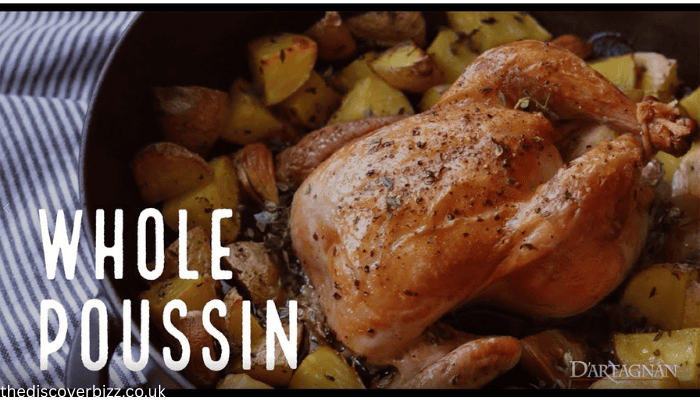
A poussin is a small juvenile chicken weighing about 300-450g and typically under 28 days old. Its tender, pale meat and delicate flavor inspire admiration, making it highly sought after by chefs for its melt-in-your-mouth quality.
Why Chefs Choose Poussin over Regular Chicken?
Exceptional Tenderness
It’s also so young that the muscle fibres haven’t developed the strength they have in larger adult chickens. This is what makes poussins so tender – they don’t need to be cooked for ages or to include any special tenderising rubs/measures.
Elegant Presentation
The poussin works well whole, which is excellent for fancy plates. Organizers are compact, making them perfect for single-plate serving and helping the food on them appear attractive and classy.
Balanced, Mild Flavour
The taste is mild and clean. The poussin’s gentle flavour will not be overpowered, as it might with more strongly flavoured or fatty birds; the flavors of rosemary, thyme, sage, tarragon and lemon zest are particularly compatible.
Faster Cooking Time
But because it is so much smaller and less dense, it cooks at lightning speed compared to a traditional chicken. To ensure perfect results, aim for an internal temperature of around [165°F], and adjust cooking times based on size. This helps home cooks achieve juicy, succulent perfection without guesswork.
Poussin vs. Game Hen vs. Broiler: Is There A Difference?
Poussin is often mistaken for Cornish game hens or small broiler chickens. The distinctions between them are good to know, if only for clarity’s sake.
Poussin
Age: Less than 28 days
Weight: 400–750 g
Flavour: Mild, delicate
Texture: Extremely tender
Cornish Game Hen
Age: 4–6 weeks
Weight: 900 g to 1.2 kg approximately
Flavour: Slightly richer
Texture: Tender but more developed
Regular Broiler Chicken
Age: 6–8 weeks
Weight: 1.5–3 kg
Flavor: Stronger, more fatty
Texture: Firm
Popular Culinary Uses of Poussin
Roasting
Baking, i.e., roasting, is most popular. Just slathering on butter, garlic, herbs, salt, and pepper gives you these incredible results. The skin gets crispy fast, but the meat remains juicy and tender.
Grilling
It’s compact, which is excellent for the grill. Whether you’re grilling or roasting the bird, spatchcocking tames its uneven nature, ensuring it cooks evenly over a flame. It has a delicate taste that picks up smoky nuances very well.
Braising
The poussin can be braised in wine, broth or cream sauces for a pillowy meal. This trick intensifies the taste without drying out the meat.
Stuffed Poussin
Tiny, miniature stuffing options (think quinoa, herbs, wild rice, mushrooms, and/or dried fruit) turn the whole thing into a fine-dining experience. With a cavity as small as the bird’s, the stuffing needs to be light and fragrant.
Pan-Searing
Some chefs pan-sear them in cast-iron skillets to a golden crust before finishing the birds in the oven.
Poussin Is Getting Popular with Home Cooks
Fine-dining trends can seep into home kitchens. Lately, the demand for high-end food at home has taken off, driving many food enthusiasts to seek increasingly gourmet, restaurant-style ingredients.
Ideal for Special Occasions
Poussin dishes are opulent, and they’re ideal for dinners for two, holidays or dinner parties.
Easy Portion Control
A single poussin is usually enough for a single person, too, so no more guessing or leftovers.
Works Well with Modern Recipes
Whether cooked in air fryers or convection ovens, on outdoor grills or overnight in a wood smoker, poussin takes well to both old-school and newer cooking methods.
More Accessible Than Before
Only pricy butcher shops would have had a poussin in days gone by, but these days they are more commonly found in fancy markets and on the Internet at purveyors of fine meats.
How to Buy and Store?
Buying Tips
Select birds that are pale pink and bruise-free.
Opt for air-chilled versions for a firmer texture.
Organic or free-range tastes better.
Storage
Cool the poussin immediately after purchase and refrigerate; use within 1–2 days for optimal freshness. If longer storage is needed, freeze it in an airtight container, and always defrost slowly in the refrigerator to maintain quality and safety.
If you want to store it longer, freeze it in an airtight container.
For the best results, defrost slowly in the refrigerator.
Conclusion
It’s a delicately flavoured poultry that is too yummy to believe in those food-crazing moments. Its subtle flavour, short cooking time, and ease of preparation have led to poussin gaining popularity not just with restaurant chefs but also with home cooks. Once you have a handle on poussin’s quirks, you’ll feel comfortable enough to use this unusual ingredient to produce extra-special meals. Read More
Share this content:














Post Comment