How to Remove Aluminum Oxide Safely and Effectively?
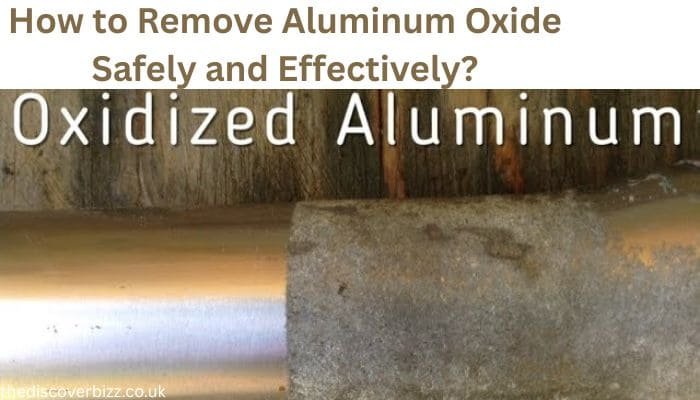
How to remove Aluminum oxide? Aluminum is commonly used in various applications, such as cookware and automotive parts, due to its lightweight, durable, and corrosion-resistant properties. However, exposure to oxygen forms aluminum oxide, a chalky layer that alters the metal’s appearance and performance. Proper removal of aluminum oxide is crucial for restoring brightness, preventing corrosion, and preparing surfaces for painting or polishing.
Before diving into how to remove aluminum oxide, it’s essential to understand what it is. Aluminum oxide forms naturally when raw aluminum reacts with oxygen in the air. This reaction creates a thin, protective layer that actually prevents deeper corrosion. In fact, aluminum oxide is one of the reasons aluminum lasts so long outdoors.
The problem starts when the oxide layer becomes thick, patchy, or stained. This often happens due to:
- Moisture exposure
- Heat and friction
- Salt and minerals
- Chemical reactions
- Neglect or lack of cleaning
How to Tell if Your Aluminum Has Oxide Buildup?
If you are trying to understand how to remove aluminum oxide, first confirm whether your item actually has oxidation. These are common signs:
- White or gray chalky residue on the surface
- Dull appearance instead of a bright shine
- Rough patches that feel different from clean metal
- Black streaks or discoloration
- Difficulty polishing due to the stubborn layer
Using Mild Cleaning Solutions for Light Oxidation
If the oxidation is light, gentle household products are usually enough. This is an excellent starting method when learning how to remove aluminum oxide safely.
What You Need
- Warm water
- Mild dish soap
- Soft cloth or sponge
- Microfiber towel
Steps
- Mix warm water with a few drops of dish soap.
- Dip the sponge into the mixture and gently scrub the aluminum.
- Focus on the chalky areas until the residue begins to soften.
- Rinse with clean water.
Removing Moderate Oxidation with Vinegar
Vinegar is one of the most effective natural cleaners. It works particularly well for medium oxidation levels.
What You Need
- White vinegar
- Spray bottle
- Non-abrasive scrubber
- Clean water
- Soft cloth
Steps
- Fill a spray bottle with pure white vinegar.
- Spray the oxidized surface thoroughly.
- Let it sit for about 5–10 minutes.
- Scrub gently in circular motions.
- Rinse and dry thoroughly.
Vinegar breaks down aluminum oxide without damaging the metal underneath. It is a popular method among homeowners seeking to remove aluminum oxide using simple, safe materials.
Chemical Aluminum Cleaners for Heavy Corrosion
For deep, dark, or long-term oxidation, household cleaners may not be enough. In such cases, specialized aluminum cleaning products are the best option.
What You Need
- Commercial aluminum polish or oxidation remover
- Gloves
- Soft cloth
- Clean water
Steps
- Wear gloves to protect your skin.
- Apply the chemical cleaner as directed on the label.
- Rub or buff the aluminum using a soft cloth.
- Rinse thoroughly.
- Polish the surface for a final shine.
Sanding and Refinishing for Severe Oxidation
In rare cases where oxidation has deeply penetrated the surface, mechanical removal may be necessary.
Tools Needed
- Fine-grit sandpaper (400–600 grit)
- Polishing pads
- Aluminum polish
Steps
- Lightly sand the oxidized area using fine-grit sandpaper.
- Avoid pressing too hard, as aluminum is soft and can be easily damaged.
- Switch to polishing pads to smooth the surface.
- Apply aluminum polish to restore shine.
This method should be used cautiously and only when other techniques fail.
Safety Tips When Cleaning Aluminum
- Avoid using steel wool or harsh metal brushes to prevent scratching aluminum.
- Never mix strong chemicals like bleach and ammonia.
- Always test any cleaner on a small, hidden area first.
- Ensure the aluminum is entirely dried after cleaning, particularly in humid conditions.
- Use commercial chemicals in a well-ventilated area.
Conclusion
Understanding how to remove aluminum oxide effectively is essential for restoring the shine and strength of aluminum items. Various methods, from basic soap and water to specialized cleaners, cater to different levels of oxidation and corrosion. Employing the appropriate cleaning technique and ensuring regular maintenance will help keep aluminum surfaces looking new and prevent further oxidation. Read More
Share this content:














Post Comment