What Is a Relieving Letter? A Complete Guide for Employers
In the professional world, documents play a crucial role in maintaining transparency and smooth transitions between jobs. Among these documents, the relieving letter often confuses many employees. Understanding what a relieving letter is and why it is so essential can make your job transition easier and more professional. Whether you are switching careers, applying for a new position, or wrapping up your responsibilities in your current organization, this document can significantly influence the process.
A relieving letter is an official document issued by an employer confirming that an employee has completed all duties and responsibilities and has followed all formal exit procedures before leaving the organization. It acts as proof that the employee is being released from their role without any pending obligations or misconduct.
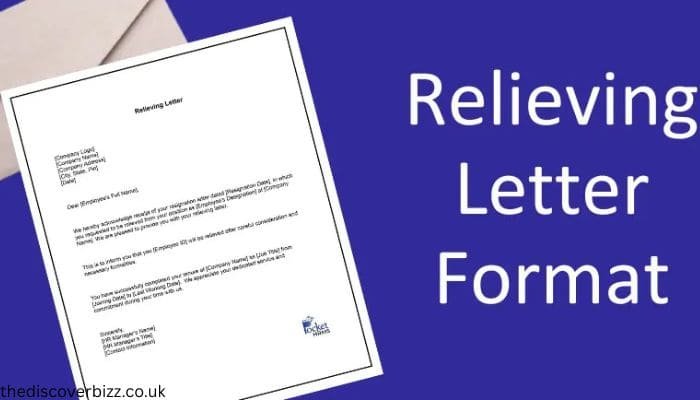
This document usually includes essential details such as:
- Employment start and end date
- Job role or designation
- Confirmation of resignation acceptance
- Statement that the employee has handed over all responsibilities
- Acknowledgment of completed clearances (HR, finance, assets)
Why Is a Relieving Letter Important?
- Proof of a Proper Exit
A relieving letter ensures that the employee did not leave abruptly or without notice. It verifies that the resignation process was followed correctly.
- Required for Joining a New Company
Many organizations do not allow a candidate to join without an official relieving letter. It gives the new employer confidence that the employee has no legal or work-related issues with the previous company.
- Protects the Employee’s Professional Image
Having this document demonstrates that you are a responsible and professional individual who respects workplace protocols.
- Avoids Future Disputes
If any confusion arises regarding employment dates or handover status, a relieving letter serves as written proof.
What Does a Relieving Letter Typically Contain?
Understanding what a relieving letter is becomes easier when you examine its typical structure. Although each company may format it differently, most relieving letters include:
- Date of Issue
It shows when the document was formally printed and issued.
- Employee Details
Name, designation, department, and employee ID.
- Resignation Acceptance Statement
A clear line confirming receipt and acceptance of the resignation.
- Last Working Day
This helps the new employer verify employment duration.
- Confirmation of Handover
A statement that the employee has completed all assigned tasks and submitted all company property.
- Good Wishes
Many companies include a polite message wishing the employee success ahead.
A clean and straightforward format ensures it is professional and easy to use for future HR verifications.
How to Request a Relieving Letter Politely?
- Write a Formal Email: Address your manager or HR politely, stating your resignation date and requesting the relieving letter.
- Maintain Professional Tone: Use courteous language to prompt quicker responses from HR.
- Complete All Exit Tasks: Ensure all company assets are submitted, pending work is finished, and clearance forms are completed before requesting the letter.
- Follow Up If Needed: Send polite follow-up emails if there are delays from HR, avoiding demanding or frustrated tones.
What to Do If Your Company Delays the Relieving Letter?
Knowing about this letter also means knowing how to deal with delays. Here are practical steps:
- Send a Reminder Email
A gentle reminder usually solves the issue.
- Provide Clearance Proof
Attach documents showing that you completed all exit formalities.
- Communicate With Your Reporting Manager
Sometimes managers forget to approve the final clearance.
- Request a Provisional Relieving Letter
Many companies issue a temporary version until the final document is prepared.
- Keep Records of Communication
Email chains can help if you need to escalate the issue.
Is it Necessary for Every Employee?
- It is essential if you are moving into a corporate, government, or IT job.
- It is helpful but not mandatory in freelance or contract roles.
- It is critical if you are joining a company with strict HR policies.
Even if your new employer doesn’t ask for it immediately, keeping the document for future use is always wise.
Conclusion
Understanding, it is crucial for job transitions, as it serves as official confirmation of professional conduct and amicable departure from a previous employer. This document safeguards one’s reputation, facilitates smooth onboarding into new roles, and clarifies employment history. Regardless of the reason for leaving—whether for long service or to pursue better opportunities—securing and preserving is essential, as it can significantly aid future career development. Read More
Share this content:














Post Comment